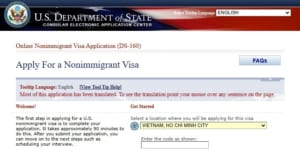
Understanding what is a proxy marriage has become increasingly important for couples separated by international borders seeking options to formalize their relationship and pursue U.S. immigration benefits. A proxy marriage refers to a legally recognized marriage ceremony in which one or both parties are not physically present at the time the marriage is solemnized.
While proxy marriages are not recognized in most U.S. states, certain jurisdictions do allow them under specific conditions. When properly structured and later consummated, a proxy marriage may be recognized for U.S. immigration purposes.
Background of Proxy Marriages
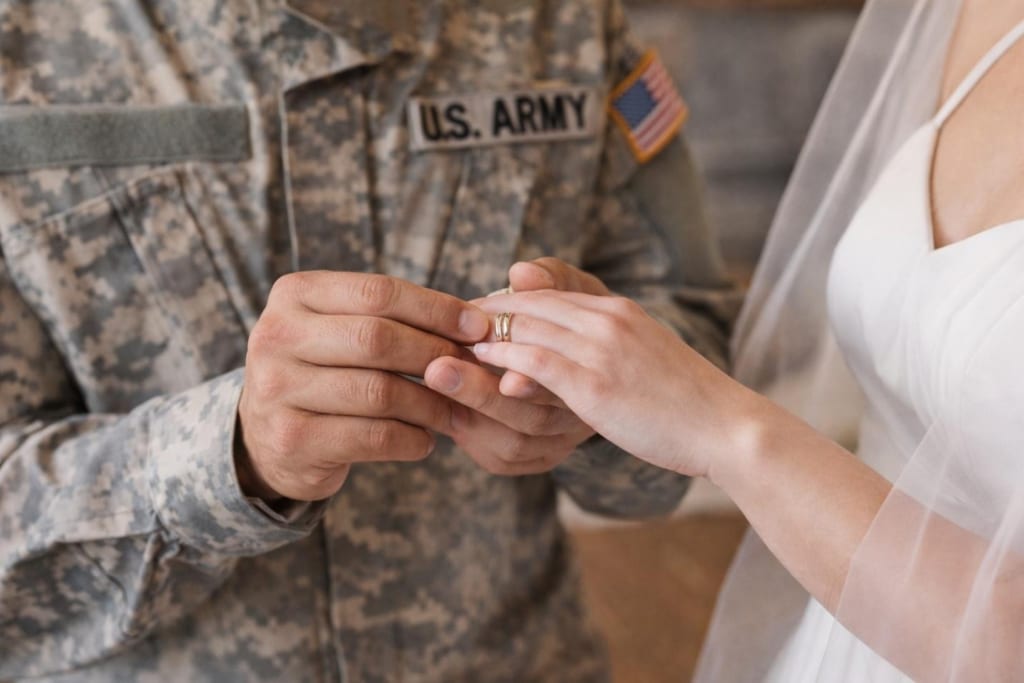
Historically, proxy marriages were most commonly used by military couples when one spouse was deployed overseas. In recent years, global travel restrictions and logistical challenges have caused many engaged couples to explore alternatives to marry despite being physically separated.
From an immigration perspective, the key issue is not whether the marriage occurred by proxy, but whether the marriage is considered valid where it was performed and whether it satisfies U.S. immigration requirements.
The United States Citizenship and Immigration Services (“USCIS”) and the Department of State evaluate proxy marriages under federal immigration regulations, which often impose additional conditions.
Proxy Marriage and U.S. Immigration Law
When evaluating what is a proxy marriage in the context of U.S. immigration, one requirement is critical:
A proxy marriage must be consummated after the ceremony in order to be recognized for immigration purposes.
Proxy marriages that have been consummated are considered to have occurred on the date of the marriage ceremony, not the date of consummation. However, without consummation, the marriage is considered insufficient for filing an immigrant petition with USCIS.
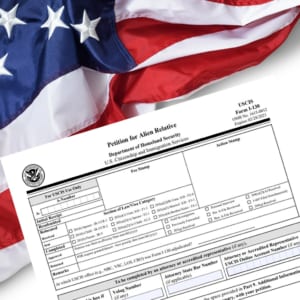
If a U.S. citizen files Form I-130, Petition for Alien Relative (“Form I-130) based on an unconsummated proxy marriage, USCIS will reject the petition as ineligible for adjudication.
You can learn more about the immigrant petition process here: Form I-130 Petition for Alien Relative
Utah Online Marriage and Proxy Ceremonies
The State of Utah has become a well-known example of how proxy marriages performed online can be used to pursue a U.S. immigration benefit. Beginning January 2020, Utah County implemented a fully digital marriage system that allows couples to apply for a marriage license, complete identity verification, and participate in a marriage ceremony conducted online.
This system created an end-to-end marriage process, resulting in a marriage certificate issued under Utah law. Because the marriage is legally valid in Utah, it may be recognized for U.S. immigration purposes, provided the couple later consummates the marriage.
During and after the COVID-19 pandemic, many internationally separated couples relied on Utah’s online marriage process as a lawful way to formalize their relationship while waiting to physically reunite.
Consummation Requirement Explained
A crucial element in understanding what is a proxy marriage for immigration purposes is the consummation requirement. Consummation generally means that the couple has physically met and engaged in marital relations after the marriage ceremony.
The USCIS may request evidence of consummation, which can include travel records, passport stamps, photographs, hotel receipts, or other documentation showing that the spouses met in person after the marriage. Consummation is then presumed to have occurred.
Without consummation, even a legally valid proxy or online marriage cannot support an immigrant visa or adjustment of status application.
Filing Immigration Petitions After a Proxy Marriage
Once a proxy marriage has been consummated, a U.S. citizen spouse may file Form I-130 with USCIS to sponsor the foreign national spouse for lawful permanent residence and a green card. The petition is adjudicated in the same manner as other marriage-based petitions, including evaluation of the bona fide nature of the marriage.
Couples should be prepared to demonstrate that the relationship is genuine and not entered into solely for immigration purposes. This includes providing evidence of shared plans, communication history, and future intent to live together as spouses.
For couples who are not yet married or who prefer an alternative pathway, the fiancé visa may be an option to consider: K-1 Fiancé Visa Overview
Proxy Marriage Versus Other Marriage Options
Proxy marriages are only one option available to couples separated by international borders. In some situations, marrying in a third country or pursuing a K-1 fiancé visa may be more appropriate depending on timing, travel feasibility, and long-term immigration strategy.
Each option carries different legal consequences, timelines, and documentation requirements. A proxy marriage may expedite the ability to file an immigrant petition, but only if all legal conditions are met.
Careful planning with an experienced immigration attorney can help couples avoid costly mistakes that result in petition denials or prolonged separation.
Common Pitfalls and USCIS Scrutiny
Proxy marriage cases often receive heightened scrutiny due to the absence of physical presence at the ceremony. The USCIS and consular officers at an Embassy or Consulate may closely examine whether the marriage was properly consummated and whether the relationship is genuine.
Incomplete documentation, inconsistent timelines, or misunderstanding of local marriage laws can delay or derail an otherwise valid case. Professional legal guidance is particularly important in proxy marriage situations.
For more information, contact us at info@enterlinepartners.com.
ENTERLINE & PARTNERS CONSULTING
Ho Chi Minh City, Vietnam Office
146C7 Nguyen Van Huong St, An Khanh Ward,
Ho Chi Minh City, Vietnam
Tel: +84 933 301 488
Email: info@enterlinepartners.com
Facebook: Enterline & Partners – Dịch vụ Thị thực và Định cư Hoa Kỳ
YouTube: @EnterlineAndPartnersConsulting
Website: https://enterlinepartners.com
Manila, Philippines Office
LKG Tower 37th Floor
6801 Ayala Avenue
Makati City, Philippines 1226
Tel: +63 917 543 7926
Email: info@enterlinepartners.com
Facebook: Enterline and Partners Philippines
Website: https://enterlinepartners.com/en/home/
Copyright 2026. This article is for information purposes only and does not constitute legal advice. This article may be changed with or without notice. The opinions expressed in this article are those of Enterline and Partners only.