Applying for a U.S. visa based on marriage, commonly known as a Spousal visa, requires more than showing that you are legally married. The U.S. government must also be satisfied that you entered into the marriage in good faith and not primarily to obtain an immigration benefit.
For couples living in different countries, proving the relationship can require careful documentation.
You may not have a joint lease, shared utility bills or other records that couples living together commonly have. Instead, your evidence may need to show how the relationship developed, stayed connected and how your lives have become intertwined despite the distance.
Understanding what counts as bona fide marriage evidence for a U.S. Spousal Visa can help you prepare a stronger case and reduce the risk of questions later in the process.
If you have questions about the evidence needed for your U.S. Spousal visa case, our U.S. immigration attorneys can review your circumstances and help you prepare your documentation. Contact Enterline and Partners today.
What Does USCIS Mean by a Bona Fide Marriage?
A bona fide marriage is a marriage that the couple entered into with the genuine intention of building a life together.
For a U.S. Spousal visa case, the United States Citizenship and Immigration Services (“USCIS”) does not simply look at whether the marriage is legally valid.
The Form I-130, Petition for Alien Relative (“Form I-130”) instructions specifically identifies evidence that may demonstrate a bona fide marriage, including joint property, a shared residence, combined finances, children born to the couple, affidavits from people with personal knowledge of the marriage and other evidence showing an ongoing marital union.
Take note that there is no single document that proves every marriage is bona fide. Instead, USCIS considers the evidence in the context of the couple’s circumstances.
For example, a married couple with one spouse living in Vietnam and the other in the United States may have fewer opportunities to combine their finances or establish a household before immigration. Their evidence may therefore look different from that of a couple already living together in the United States.
What Types of Evidence Can Show a Bona Fide Marriage?
Our U.S. immigration lawyers generally recommend submitting relationship evidence that shows a clear and consistent history of the relationship and marriage from its early stages through the present.
Depending on your circumstances, useful evidence may include:
- Marriage and wedding records;
- Photos taken together over time;
- Messages, emails and call records;
- Airline tickets, passport stamps and travel itineraries;
- Joint bank or credit accounts;
- Shared insurance policies;
- Joint ownership or rental of property;
- Records showing shared expenses or financial support;
- Birth certificates for children you have together;
- Mail or official records showing the same address;
- Affidavits from relatives or friends who know the relationship.
The USCIS expressly permits several of these types of documentation and also allows other relevant evidence that establishes an ongoing bona fide marriage.
Our immigration attorneys for U.S. visas can help you identify which records are most useful for your case and organize them so they present a clear picture of your marriage. What you want is not simply to submit the largest possible file, but to provide evidence that meaningfully supports the history and reality of your relationship.
Use Communication Records to Show an Ongoing Relationship
Messages and call records can be particularly important when spouses have spent significant periods apart from each other.
Evidence may include excerpts from:
- Text messages;
- Messaging applications;
- Emails;
- Video call histories;
- Telephone records;
- Social media conversations.
You generally do not need to print every conversation you have ever had. Instead, a more useful approach may be to provide records from different stages of the relationship so the evidence shows consistent communication over time.
For example, records could cover the period before your first in-person meeting, during the courtship, around the engagement or wedding and throughout periods when you were living apart.
Important: Be careful not to submit records that conflict with dates, addresses or other information already provided in your immigration forms.
Document Financial Ties Where They Exist
Shared financial responsibilities can help show that a couple has combined aspects of their lives. The USCIS specifically identifies joint property, joint tenancy and documentation showing combined financial resources as possible evidence of a bona fide marriage.
Examples can include:
- Joint bank accounts;
- Joint credit cards;
- Transfers between spouses;
- Shared household expenses;
- Joint property ownership;
- Rental agreements;
- Insurance policies naming one another;
- Retirement or other beneficiary designations;
- Records of significant purchases made together.
Include Evidence of Trips and Time Spent Together
For couples who have lived apart, travel records can establish when and where they have spent time together.
Useful records may include:
- Passport entry and exit stamps;
- Flight confirmations;
- Boarding passes;
- Hotel bookings;
- Travel itineraries;
- Receipts from trips;
- Photos from visits;
- Records of trips taken with relatives or friends.
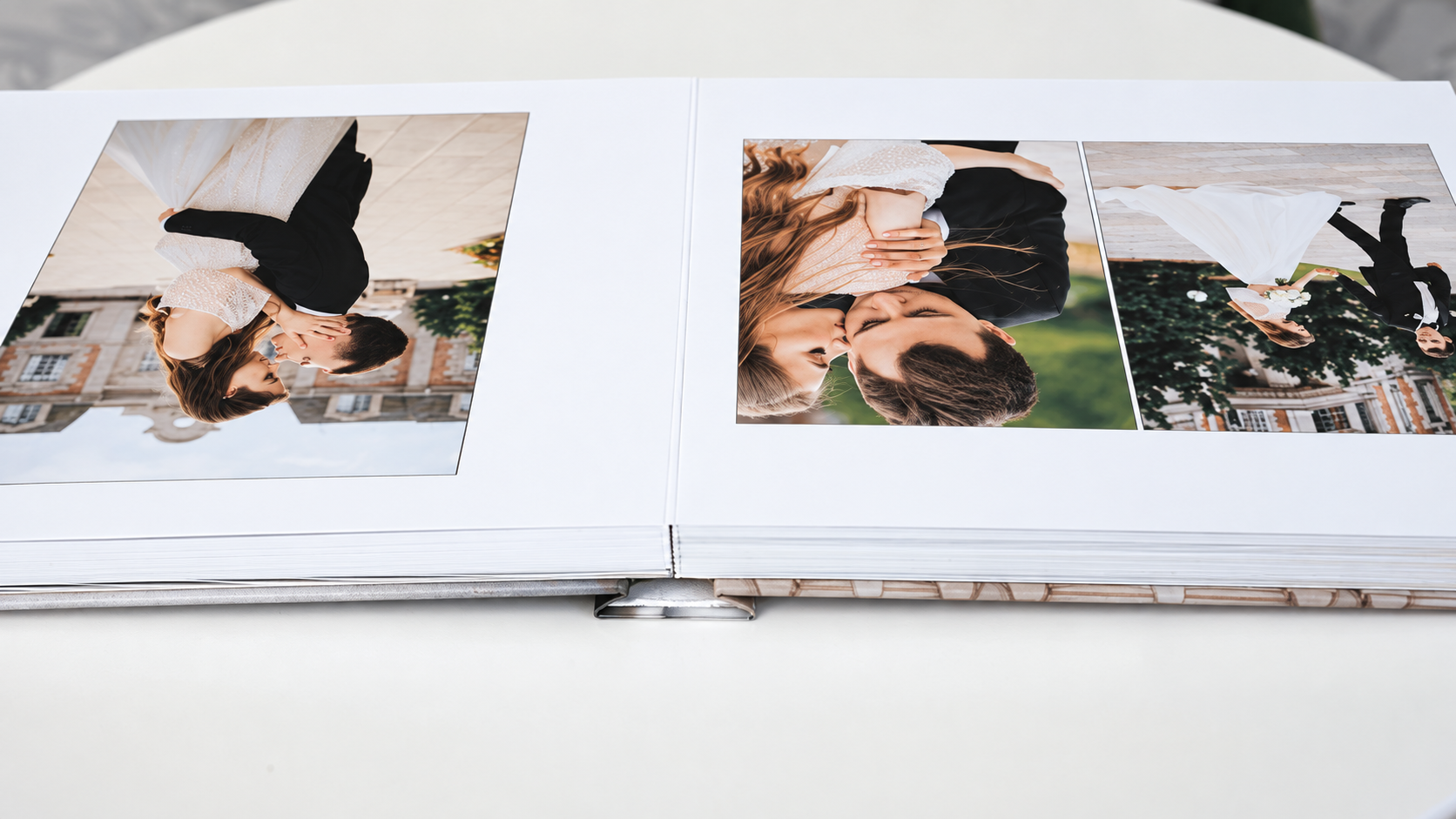
Photo evidence of a bona fide marriage.
Choose Photos That Show the History of the Relationship
Photos can help demonstrate that the marital relationship developed naturally and that the couple’s families and friends know about it.
Consider including images from different points in the relationship, such as:
- Early visits;
- Trips together;
- Engagement celebrations;
- The wedding;
- Holidays;
- Family gatherings;
- Birthdays;
- Ordinary time spent together.
Where helpful, briefly identify the date, location and people shown.
Can Family and Friends Write Letters About a Marriage?
Yes. The USCIS allows affidavits from third parties who have personal knowledge that the marriage is genuine.
A strong affidavit explains how the writer knows the couple and what they have personally observed about the relationship. For example, a family member or close friend may describe when they first learned about the relationship, time spent with the couple or other interactions they witnessed over time.
Under the Form I-130 instructions, an affidavit must include the writer’s full name and address, date and place of birth, and details explaining how the writer gained personal knowledge of the marriage.
What Issues Can Lead to More Questions About a Marriage?
No single fact automatically means that a marriage is fraudulent. However, certain circumstances may lead USCIS or a consular officer at an Embassy or Consulate to look more closely at the relationship.
Questions may come up when the evidence includes unexplained gaps, conflicting details or facts that do not clearly match.
Examples may include:
- Very little documented communication during a long-distance relationship;
- Conflicting dates about when or how the couple met;
- Different answers about important parts of the relationship;
- Limited time spent together before marriage;
- A marriage that took place soon after the couple first met;
- Major inconsistencies in addresses or living arrangements;
- Previous immigration filings involving another spouse or fiancé(e);
- Evidence that appears to have been created mainly for the immigration case;
- Language differences that make it difficult to communicate;
- Little evidence that relatives or friends know about the marriage.
These circumstances do not automatically prevent approval; the full context still matters. For example, a couple may have married soon after meeting but still have strong evidence of frequent communication and shared plans for the future.
The key is to make sure the evidence gives a clear and accurate picture of the relationship.
What Should You Do if USCIS Sends a Request for Evidence?
The USCIS may issue a Request for Evidence (“RFE”) when it needs additional documentation before issuing its decision.
If an RFE concerns your marriage, start by reading the notice carefully and identify exactly what USCIS says is missing or insufficient.
An effective response may involve:
- Reviewing everything originally filed with the Form I-130;
- Identifying the specific concerns raised in the RFE.
- Gathering records that address those concerns directly.
- Explaining evidence that may otherwise be misunderstood.
- Organizing the response so the officer can follow the relationship timeline.
- Submitting the complete response by the deadline stated in the notice.
The USCIS requires RFE responses by the deadline in the notice, and failure to provide the requested material on time can result in denial.
Keep in mind that an RFE does not mean that USCIS has already decided the marriage is fraudulent. It means the existing record has not yet provided what the adjudicating officer needs to make a decision.
However, couples should take the request seriously. The response becomes part of the immigration record and may affect later stages of the process.
If you receive an RFE about your marriage evidence, our U.S. immigration attorneys can review the notice and help you prepare a focused response before the deadline.

A couple takes pictures on holiday.
Questions Couples Often Ask About Marriage Evidence
At Enterline and Partners, our U.S. immigration attorneys often hear similar questions from couples preparing a U.S. Spousal visa case. Here are answers to some of the most common questions about proving a bona fide marriage:
How much evidence do I need to prove a bona fide marriage?
There is no fixed number of photographs, messages or financial records required for every case. The amount and type of evidence will depend on your circumstances.
Can we prove our marriage if we have never lived together?
Yes. Many international married couples cannot live together before the foreign spouse receives permission to move to the United States. Travel records, communications, financial support, photographs, family involvement and other evidence may help document the marriage when a joint household does not yet exist.
Are wedding photos enough to prove a genuine marriage?
Wedding photos should form only part of the evidence. They establish that a wedding occurred but may say relatively little about the relationship before and after the ceremony. The different types of evidence we have mentioned above can provide a more complete picture.
Does the same evidence matter for a K-1 fiancé(e) visa?
A K-1 fiancé(e) visa is not a U.S. Spousal visa case because the couple has not yet married. However, the government still examines whether the relationship with the U.S. citizen petitioner is genuine. Consular officers who interview the foreign fiancé(e) at a U.S. Embassy or Consulate require proof of a relationship and intent on marrying within ninety (90) days upon the foreign fiancé(e)’s arrival in the United States. After the couple marries in the United States and the foreign spouse applies for a Green Card, evidence concerning the bona fide marriage can become relevant again.
Build a Clear Record of Your Marriage With Skilled Legal Guidance
You may not have every type of relationship evidence listed above, and that is common. What matters is that the records you do provide help show how your relationship developed and continued over time. For international couples, that may mean combining different kinds of records from periods when you were living apart.
At Enterline and Partners, our U.S. immigration attorneys lend their expertise to clients in Vietnam, the Philippines and throughout Asia on family-based immigration matters, including CR-1 and IR-1 Spousal Green Card cases, K-1 fiancé(e) visas and other related immigration issues.
We can review your relationship evidence, identify areas that may require additional explanation and help you respond if USCIS requests further documentation.
If you have questions about proving a bona fide marriage or any part of the U.S. immigration process, contact our office to schedule a consultation today.
ENTERLINE & PARTNERS CONSULTING
Ho Chi Minh City, Vietnam Office
Level 6 & 7, Friendship Tower, 31 Le Duan Street, Sai Gon Ward
Ho Chi Minh City, Vietnam
Tel: +84 933 301 488
Email: info@enterlinepartners.com
Facebook: Enterline & Partners – Dịch vụ Thị thực và Định cư Hoa Kỳ
YouTube: @EnterlineAndPartnersConsulting
Website: https://enterlinepartners.com
Manila, Philippines Office
LKG Tower 37th Floor
6801 Ayala Avenue
Makati City, Philippines 1226
Tel: +63 917 543 7926
Email: info@enterlinepartners.com
Facebook: Enterline and Partners Philippines
Website: https://enterlinepartners.com/en/home/
Copyright 2026. This article is for information purposes only and does not constitute legal advice. This article may be changed with or without notice. The opinions expressed in this article are those of Enterline and Partners only.