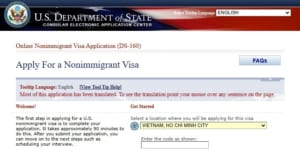
All immigrant visa applicants (i.e. those applying for a Green Card) are required to complete a medical exam at a designated clinic by a panel physician as part of the process.
The purpose of the exam is to ensure that applicants are not carriers of any serious infectious diseases or other health conditions that could pose a public health risk in the United States.
If you’re feeling unsure or overwhelmed by what’s involved, we have created a guide to help.
Who Is Required to Undergo a U.S. Immigration Medical Exam?
With few exceptions, medical exams are mandatory for the following visa applicants:
- Family-based immigration (IR/CR, F1–F4);
- Employment-based visas (EB categories);
- Investor visas;
- K-1 fiancé(e) visas.
Required applicants who do not have their medical exams performed by an approved panel physician at a designated clinic may encounter delays as the U.S. Embassy or Consulate will not accept medical exams from non-approved panel physicians.
What Does the U.S. Immigration Medical Exam Include?
While the medical exam is straightforward and thorough, it focuses on key areas required by the United States Centers for Disease Control (“CDC”). Below is an overview of what’s typically involved when you attend your scheduled medical exam appointment:
1. Basic Physical Exam and Testing
The panel physician will conduct a general physical assessment which consists of the following:
- Height, weight, and blood pressure;
- Vision and hearing checks;
- Examination of the heart, lungs, abdomen, and skin;
- Blood and urine tests;
- Chest X-ray to screen for tuberculosis (“TB”) in applicants aged 15 and older.
Note: Children and pregnant women may be exempt from the X-ray depending on age and health status.)
2. Mandatory Infectious Disease Screening
Applicants are screened for communicable diseases identified by the CDC:
- Tuberculosis (active or latent);
- Syphilis;
- Gonorrhea;
- Hepatitis B and C (in some cases).
Infectious diseases classified as Class A conditions, such as untreated TB or certain sexually transmitted infections, can result in temporary visa ineligibility until treated or waived.
3. Age-Appropriate Vaccinations
Applicants who require vaccines must present proof of receiving the vaccines at the time of the medical exam or such vaccines can be administered by the panel physician during the exam itself. These are based on CDC guidelines and include:
- Influenza (flu);
- Varicella (chickenpox);
- MMR (measles, mumps, rubella);
- DTaP/Tdap (diphtheria, tetanus, pertussis);
- Hepatitis A and B.
If your vaccination records are incomplete, the panel physician may recommend additional shots during your exam. In some cases, a waiver may be available for religious or medical reasons.

How Much Does the U.S. Immigration Medical Exam Cost?
Expenses associated with a U.S. immigration medical exam depend on the applicant’s location, age, and what tests or vaccinations may be required.
To help you prepare, we’ve compiled a published list of medical exam fees from countries where many of our clients undergo their immigrant visa interviews.
Vietnam
- Adults (15 years and older): USD 334 – USD 389 (approx. VND 8,800,000 – VND 10,300,000)
- Children (ages 2–14): USD 284 (approx. VND 7,500,000)
- Children under 2 years: USD 210 (approx. VND 5,500,000)
Philippines
- Adults (15 years and older): PHP 28,650
- Children (under 15 years): PHP 13,910
Taiwan
- All applicants: NTD 8,000 – NTD 13,000
These fees typically include the physical exam, required lab tests, and review of vaccination records. Additional charges may apply for missing vaccines, extra testing, or translation of medical records.
The team at Enterline and Partners can also help you confirm approved clinics and make sure you’re fully prepared for this important step in your immigration process. Contact us today.
Where Can I Get A U.S. Immigration Medical Exam?
Vietnam
Ho Chi Minh City:
- IOM Clinic – International Organization for Migration
- Cho Ray Hospital – Immigration Medical Department
Hanoi:
- IOM Clinic – Hanoi Office
Philippines
Manila
Taiwan
Taichung
- Ministry of Health and Welfare, Executive Feng Yuan Hospital
Taipei
What Documents Do You Need to Bring to Your Medical Exam?
Clinics may have slightly different requirements, but generally, you’ll need to bring the following items to your appointment:
- Valid Passport: Your passport must match the details in your DS-160 nonimmigrant visa application for K-1 visa applicants or DS-260 immigrant visa application for immigrant visa applicants
- DS-160 or DS-260 Confirmation Page: Only the confirmation page is required, not the complete application
- U.S. Embassy or Consulate Interview Appointment Letter: This letter confirms you are scheduled for a visa interview and helps the clinic know where to send your completed medical report. Note that some immigrant visa applicants receive their scheduled interview appointment from the National Visa Center while others are scheduled through the US Travel Docs portal.
- Vaccination Records (if available): Providing vaccination records may reduce the number of vaccines you need during the medical exam.
- Two passport photos (U.S. visa size): These photos are used for your medical file and must meet U.S. visa photo requirements.
- Payment for Exam Fees: Clinics typically accept cash or credit cards. It’s best to confirm the accepted payment methods and total cost in advance.
Bringing the correct documents ensures your exam can proceed smoothly and that your medical report is submitted without delays. If you’re unsure what’s required, our experienced attorneys can help you confirm with the specific clinic ahead of time.
Important Reminders for Your Medical Exam
Before your appointment, here are a few practical guidelines that can make your medical exam experience a relatively painless encounter:
- Fast for at least 6 hours if blood tests are required.
- Bring medical records if you have any pre-existing conditions.
- Only minors, pregnant applicants, and persons with disabilities (PWDs) may be accompanied by a parent, legal guardian, or companion, as most clinics allow this for support during the medical exam and procedures such as X-rays.
- Do not schedule the exam too early (results are valid for six 6 months only).
Let’s Turn a Requirement Into a Step Forward
The U.S. immigration medical exam is a key part of the immigrant visa and Green Card process. However, it’s one that can feel overwhelming if you’re not sure what to expect. With right preparation and guidance, it becomes a manageable step on the path toward a new life in the United States.
At Enterline and Partners, we help clients take the guesswork out of every part of the immigration process which includes the medical exam. Our team can guide you in choosing an approved clinic, reviewing required documents, staying on track with your timeline, and everything else in between.
Need help navigating your immigration case? Reach out to us today to schedule a one-on-one consultation with an experienced immigration attorney.
ENTERLINE & PARTNERS CONSULTING
Ho Chi Minh City, Vietnam Office
146C7 Nguyen Van Huong St, Thao Dien Ward,
District 2, Thu Duc City
Ho Chi Minh City, Vietnam
Tel: +84 933 301 488
Email: info@enterlinepartners.com
Facebook: Enterline & Partners – Dịch vụ Thị thực và Định cư Hoa Kỳ
YouTube: @EnterlineAndPartnersConsulting
Website: https://enterlinepartners.com
Manila, Philippines Office
LKG Tower 37th Floor
6801 Ayala Avenue
Makati City, Philippines 1226
Tel: +63 917 543 7926
Email: info@enterlinepartners.com
Facebook: Enterline and Partners Philippines
Website: https://enterlinepartners.com/en/
Copyright 2025. This article is for information purposes only and does not constitute legal advice. This article may be changed with or without notice. The opinions expressed in this article are those of Enterline and Partners only.