The U.S. immigration system provides a specific pathway for U.S. citizens to sponsor their siblings for lawful permanent residency (“Green Card.”) The Family-Based Fourth Preference (F4) category is dedicated to the brothers and sisters of adult U.S. citizens ages twenty-one (21) and above.
While this is a popular route for family reunification, the F4 category visa waiting time is historically the longest in the system due to annual caps and high global demand.
How the Wait Time is Shown on the U.S. Visa Bulletin
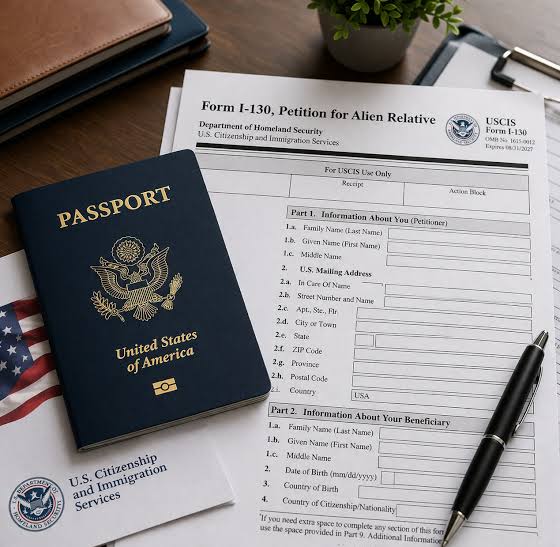
Understanding your F4 visa waiting time starts with knowing how to read the U.S. Visa Bulletin correctly. The wait time for an immigrant visa in the F4 category is determined by the United States Department of State’s Visa Bulletin. The Visa Bulletin lists the priority date for each preference category, which is the date on which the United States Citizenship and Immigration Services (“USCIS”) received the Form I-130 Petition for Alien Relative (“Form I-130”) filed by the U.S. Citizen petitioner on behalf of the foreign national. The priority date determines a foreign national’s place in line for an immigrant visa which is made available in the order in which their priority dates become current.
The Visa Bulletin is updated on a monthly basis and by reviewing the priority dates, we can estimate the current wait time for each preference category. This is determined by the number of immigrant visas that are available in the category, and the demand for visas from individuals who are waiting in line.
Table A
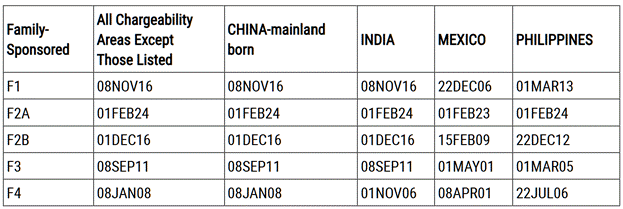
Important Note: For February 2026, USCIS has confirmed that family-based applicants should use the Dates for Filing (Table B) chart to determine when they can begin submitting documents to the National Visa Center. Verify your area’s cutoff in Table B.
Table B
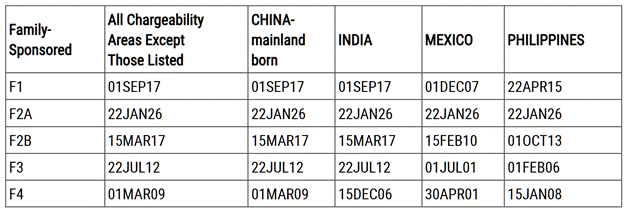
Table A vs. Table B – Which One Determines Your F4 Wait Time?
The Visa Bulletin publishes two separate charts each month, and confusing them is one of the most common mistakes applicants make:
- Table A (Final Action Dates): This determines when your immigrant visa can actually be approved and issued.
- Table B (Dates for Filing): This determines when you can submit required documents to the National Visa Center – an earlier step that doesn’t mean your visa is ready, only that you can begin paperwork.
USCIS announces monthly which table family-based applicants should use for filing purposes. Using the wrong table can lead to submitting documents too early or missing your window entirely.
How Long Is the Current F4 Visa Wait Time?
As of 2026, F4 visa wait times vary significantly by country of birth due to per-country annual caps. For most countries, the current wait is approximately 15-18 years from the priority date. For countries with historically higher demand – including the Philippines, Mexico, and India – wait times can exceed 20-23 years.
For Vietnamese nationals specifically, F4 wait times have generally tracked closer to the worldwide rate, though this fluctuates based on annual visa availability and Visa Bulletin movement. Checking the current month’s Visa Bulletin Table A and Table B is the only way to determine your case’s exact position in line.
F4 Visa Current Wait Times by Country — 2026
| Country | F4 Priority Date (check current bulletin) | Estimated Wait From Today |
| Philippines | Check travel.state.gov/visa-bulletin | 20–25+ years |
| Vietnam | Check travel.state.gov/visa-bulletin | 5–8 years |
| Mexico | Check travel.state.gov/visa-bulletin | 20+ years |
| India | Check travel.state.gov/visa-bulletin | 10–15 years |
| All Other Countries | Check travel.state.gov/visa-bulletin | 10–15 years |
Managing the Long F4 Visa Processing Time
If you filed a Form I-130 today, the F4 category visa waiting time for nationals of some countries can exceed 20 years. Thus, it is crucial to remember the following:
- Non-Linear Movement: Priority dates do not move forward by one month every month. They can stall or even move backward (retrogression).
- Derivative Beneficiaries: Children of the sibling may “age out” during this long wait. Consulting with a U.S. immigration lawyer is vital to understand protections under the Child Status Protection Act which was enacted to try to protect children from “aging out” (turning 21 years old) and become ineligible.
The waiting time for an immigrant visa in the family-based fourth preference immigrant visa category can be extremely long, but it is possible to immigrate to the United States through this category if you are the sibling of a U.S. citizen. Contact Enterline & Partners if you have questions about U.S. visas at info@enterlinepartners.com and speak with an experienced U.S. immigration lawyer in Ho Chi Minh City, Manila and Taipei.
Consulting with a U.S. immigration lawyer is vital to understand protections under the Child Status Protection Act
Other things to keep in mind:
- Visa delays can also happen due to name order issues on documents. See How Vietnam Passport Name Order Listed for common mistakes and how to fix them.
- If you’re overseas and lost your Green Card, you might need a travel document. Learn more at What is a Transportation/Boarding Foil?
- See U.S. Visas News for updates on visa bulletins and policy changes.
How to Read the F4 Visa Bulletin: Final Action Dates vs Dates for Filing
The monthly Visa Bulletin shows two charts for F4:
- Final Action Dates: The date USCIS/NVC will actually move your case to the next step. Use this chart to determine if your priority date is current.
- Dates for Filing: An earlier date that sometimes allows applicants to file adjustment of status (I-485) before the Final Action Date is current. This chart is only usable when USCIS announces it is available for the month.
For most F4 applicants processing at a U.S. Consulate abroad (HCMC or Manila), only the Final Action Date is relevant.
Your Priority Date is the date your I-130 petition was received by USCIS. When the Final Action Date for your country moves past your Priority Date, your case becomes “current” and can move forward.
Frequently Asked Questions About F4 Visa Waiting Time
How long does the F4 visa take in 2026?
F4 visa waiting time in 2026 generally ranges from 15 to over 20 years, depending on the sibling’s country of birth. Countries with high demand, such as the Philippines and Mexico, typically face longer waits than the worldwide average. Check the current Visa Bulletin to find your specific priority date position.
Why is the F4 visa wait time so much longer than other family categories?
The F4 category has one of the lowest annual visa caps among family-based preferences, while demand from siblings of U.S. citizens remains consistently high worldwide. Immediate relative categories (spouses, parents, unmarried children under 21) have no annual cap, which is why those wait times are dramatically shorter than F4.
Can my priority date move backward (retrogress)?
Yes. Visa Bulletin priority dates do not move forward consistently every month – they can stall for extended periods or retrogress (move backward) if visa demand exceeds the annual supply in a given category or country. This is a normal, if frustrating, feature of the family-based immigration system.
What happens if my niece or nephew turns 21 during the F4 wait?
This is called “aging out,” and it can affect a derivative beneficiary’s eligibility to immigrate alongside the principal sibling beneficiary. The Child Status Protection Act (CSPA) provides certain protections that may preserve a child’s eligibility despite turning 21, but the calculation is complex and case-specific. Consult an experienced immigration attorney to evaluate CSPA protection for your family’s situation.
Is there any way to speed up an F4 visa application?
There is no formal expedite process based on hardship or urgency for F4 cases – wait times are governed strictly by priority date and country caps. The only way to “speed up” your position is ensuring your Form I-130 was filed as early as possible and that your case remains active and error-free, since RFEs or administrative issues can cause additional delays on top of the standard wait.
ENTERLINE AND PARTNERS CONSULTING
Ho Chi Minh City, Vietnam Office
Level 6 & 7, Friendship Tower, 31 Le Duan Street, Sai Gon Ward
Ho Chi Minh City, Vietnam
Tel: +84 933 301 488
Email: info@enterlinepartners.com
Facebook: Enterline & Partners – Dịch vụ Thị thực và Định cư Hoa Kỳ
YouTube: @EnterlineAndPartnersConsulting
Website: https://enterlinepartners.com
Manila, Philippines Office
LKG Tower 37th Floor
6801 Ayala Avenue
Makati City, Philippines 1226
Tel: +63 917 543 7926
Email: info@enterlinepartners.com
Facebook: Enterline and Partners Philippines
Website: https://enterlinepartners.com/en/home/
Copyright 2026. This article is for information purposes only and does not constitute legal advice. This article may be changed with or without notice. The opinions expressed in this article are those of Enterline and Partners only.