
The United States continues to be a top destination for individuals seeking world-class healthcare, top-tier education, and a stable environment for business and investment.
For many individuals and families, investment-based immigration offers a convenient opportunity to secure lawful permanent residency in the United States.
Among the various investment-based immigration options, the EB-5 Immigrant Investor Program is the most well-known and widely used. Essentially, it offers a direct path to U.S. Lawful Permanent Residence and a green card in exchange for a qualifying investment that contributes to the U.S. economy and creates American jobs.
But for all its benefits, the EB-5 program isn’t without complexity or risk. In this article, the attorneys at Enterline & Partners break down what makes an EB-5 visa secure, where the potential pitfalls lie, and how to approach this immigration pathway with confidence.
What is the EB-5 Immigrant Investor Visa?
The EB-5 Immigrant Investor Visa is a U.S. immigration program created by Congress in 1990 and administered by U.S. Citizenship and Immigration Services (“USCIS”).
It allows eligible foreign nationals to obtain a green card by making a qualified investment in the U.S. economy that leads to job creation for American workers.
To qualify, applicants must meet the following key requirements:
- Make a minimum investment of:
- US$800,000 in a Targeted Employment Area (“TEA”), a rural area or one with high unemployment, or a government infrastructure project or;
- US$1.05 million in a non-TEA project (standard investment area);
- Create at least ten (10) full-time jobs for U.S. workers within two years of the investment;
- Invest in a New Commercial Enterprise, either directly or through a USCIS-approved Regional Center.
| Project Type / Location | Minimum Investment | Annual Visa Priority |
| Project in TEA – Rural Area | $800,000 | 20% of annual EB-5 visas |
| Project in TEA – High Unemployment Area | $800,000 | No dedicated priority |
| Infrastructure project in TEA | $800,000 | Priority under RIA |
| Project outside TEA (standard area) | $1,050,000 | No priority |
In return, successful applicants and their eligible family members can receive Lawful Permanent Residency (green cards), with the option to apply for U.S. citizenship after meeting residency requirements.
The EB-5 program offers a direct path to a green card, but the process involves strict documentation, financial vetting, and ongoing compliance. With that in mind, working with experienced immigration professionals can help ensure your investment meets both legal and immigration standards.
What is a Regional Center? A Regional Center is a USCIS-approved organization that sponsors and manages certain EB-5 investment projects. It allows investors to contribute to larger, job-creating developments without needing to run a business themselves.
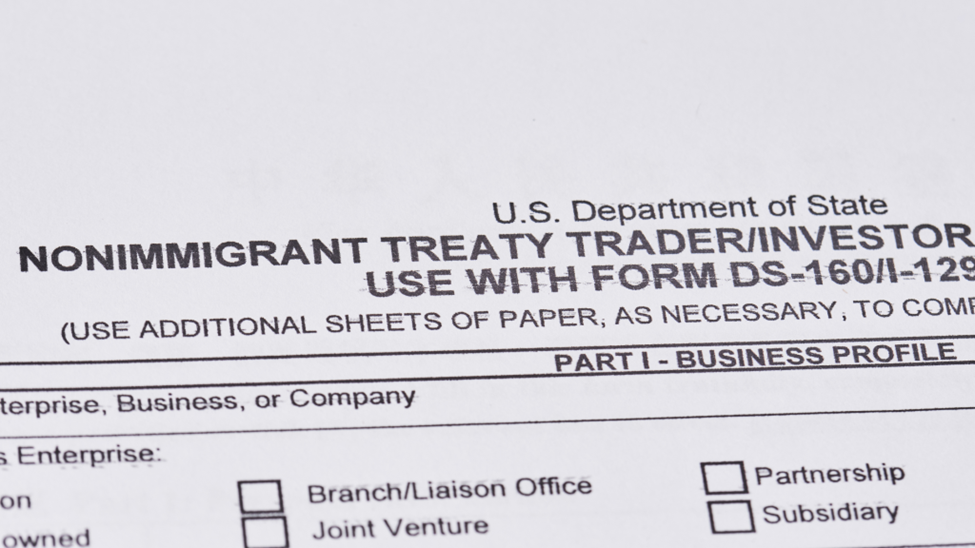
Is the U.S. Investment Immigration through EB-5 Safe?
The EB-5 Immigrant Investor Program offers a unique pathway to U.S. permanent residency, but like any investment, it comes with both opportunities and risks.
While the program is firmly established in U.S. immigration law and has helped tens of thousands of families secure green cards, the success of each case depends heavily on due diligence, project selection, and proper legal guidance. Consider these pros and cons:
1. Benefits of the EB-5 Visa
The EB-5 visa is appealing to many investors and their families because it provides a relatively flexible route to lawful permanent residency. Key advantages include:
- Green cards for the entire immediate family: The principal investor, along with their spouse and unmarried children under 21, all receive Green Cards through a single investment.
- No language, education, or business background requirements: Unlike many other immigration categories, the EB-5 program does not require applicants to prove English proficiency, hold a degree, or have business experience.
- No family sponsor required: The EB-5 program allows applicants to self-petition. There’s no need for a U.S. employer or family member to sponsor you.
- Potential path to U.S. citizenship: After five years as a permanent resident, EB-5 visa holders may be eligible to apply for naturalization.
2. Potential Risks to Be Aware Of
While the benefits are significant, investors like you should understand the potential risks before proceeding:
- Failure to create 10 full-time jobs: If the investment project does not result in at least 10 qualifying U.S. jobs within the required timeframe, the visa application (or future removal of conditions) may be denied.
- Investing in unapproved, unvetted, or unstable projects: Not all projects are equal. Investing in ventures that lack transparency, proper oversight, or USCIS approval increases the risk of financial loss and immigration failure.
- Delays caused by visa caps or country-based backlogs: Some countries face longer wait times due to high demand and annual visa limits. This can significantly delay obtaining an immigrant visa for many years.
- Fraudulent or mismanaged Regional Centers: While many Regional Centers operate ethically, some have been linked to fraud or misused funds. Choosing a reputable, government-approved Regional Center to work with can be critical.
3. EB-5 Success Rates and Why They Matter
Success in the EB-5 process depends on meeting both the financial and immigration requirements. There are two major approval points:
- Form I-526/I-526E: The initial petition demonstrating that the investment is eligible and that the funds were lawfully obtained.
- Form I-829: Filed after two years to remove conditions on residency, showing that the jobs were created and the investment was sustained.
According to USCIS data, approval rates for both petitions are generally favorable when the investment is made through reputable projects and Regional Centers with a strong track record.
Moreover, investors who work with experienced immigration attorneys and perform proper due diligence are far more likely to see a successful outcome. If you want to increase your chances of approval, contact Enterline and Partners today.
What to Prepare Before Applying for the EB-5 Visa
The EB-5 application process requires thorough preparation, both financially and legally. Hence, gathering the right documents and making informed decisions early on can increase approval chances and protect your investment.
Key items to prepare include:
- Proof of lawful source of funds: Clear documentation showing how your investment capital was earned, such as income, business profits, property sales, inheritance, or gifts.
- Personal identification and financial records: Passports, bank statements, tax filings, property sale contracts, and remittance records to show the movement of funds.
- A detailed plan for your I-526/I-526E petition: Your petition should include all required financial, legal, and business documentation tied to your investment.
- Vetting the Regional Center: Select a USCIS-approved Regional Center with a strong reputation, transparent reporting, and a successful project history.
- Legal support from EB-5 immigration attorneys: Working with experienced attorneys ensures your documents are in order, your risks are minimized, and your application meets all program requirements.
At Enterline and Partners, we help clients prepare strong, well-documented EB-5 cases and guide them confidently through each step of the immigration process.

Common Questions About the EB-5 Immigrant Investor Visa
The EB-5 program comes with detailed rules and a lot of moving parts. Our lawyers have compiled answers to some of the most common questions investors ask when considering this immigration route.
Can I borrow money to invest in EB-5?
Yes, borrowed funds are allowed.
How long until I get a Green Card?
Timelines vary based on your country of origin, project type, and USCIS processing times. On average, it can take one (1) to three (3) years to receive a conditional permanent residence after filing the I-526/I-526E petition. Applicants from high-demand countries may wait longer due to visa backlogs.
Can I sponsor relatives after immigrating?
Yes. Once you receive your green card, as a lawful permanent resident you can sponsor your spouse and unmarried children under 21 as part of your EB-5 application.
Is the EB-5 green card permanent?
Initially, you receive a conditional permanent residence and a green card valid for two years. If your investment meets all program requirements, especially the job creation criteria, you can file Form I-829 to remove conditions and receive a 10-year green card.
Are Vietnamese and Filipino investors subject to EB-5 visa backlogs?
Currently, Vietnam and the Philippines are not subject to EB-5 visa backlogs – unlike China and India, where investors may wait many years for a visa number to become available. This means Vietnamese and Filipino investors can generally proceed through the EB-5 process significantly faster. However, this situation could change if the volume of petitions from Vietnam and the Philippines increases substantially in the future.
Does the September 30, 2026 EB-5 deadline affect Vietnamese investors?
Yes. Under Section 108 of the EB-5 Reform and Integrity Act of 2022 (RIA), investors who file a valid I-526E on or before September 30, 2026 are protected even if the Regional Center program lapses after that date. Investors filing after this date will not have this protection. Given that source of funds documentation typically takes 2-4 months to prepare for Vietnamese and Filipino investors, it is important to begin the process immediately if you intend to file before the deadline.
EB-5 Is a Viable Path With the Right Preparation
The EB-5 visa is a legitimate, structured way to obtain U.S. permanent residence and a green card for you and your family without needing a sponsor, a degree, or business experience. It’s helped thousands of families start a new chapter in the U.S., and with the added protections from the EB-5 Reform and Integrity Act of 2022, now is a great time to apply.
But as you can see, the process is detailed, and not every investment is created equal. That’s why it’s so important to do your homework and have trusted legal support guiding you through each step.
At Enterline and Partners, we help investors like you avoid common pitfalls, understand what’s required, and submit a strong, well-documented application.
If you’re thinking about applying, reach out to our attorneys today. Book a consultation and get the guidance you need to move forward with confidence.
ENTERLINE & PARTNERS CONSULTING
Ho Chi Minh City, Vietnam Office
146C7 Nguyen Van Huong St, Thao Dien Ward,
District 2, Thu Duc City
Ho Chi Minh City, Vietnam
Tel: +84 933 301 488
Email: info@enterlinepartners.com
Facebook: Enterline & Partners – Dịch vụ Thị thực và Định cư Hoa Kỳ
YouTube: @EnterlineAndPartnersConsulting
Website: http://enterlinepartners.com
Manila, Philippines Office
LKG Tower 37th Floor
6801 Ayala Avenue
Makati City, Philippines 1226
Tel: +63 917 543 7926
Email: info@enterlinepartners.com
Facebook: Enterline and Partners Philippines
Website: https://enterlinepartners.com/language/en/welcome/
Copyright 2025. This article is for information purposes only and does not constitute legal advice. This article may be changed with or without notice. The opinions expressed in this article are those of Enterline and Partners only.