Enterline and Partners Co-Founder, Ryan Barshop speaks with TV5 Philippines on the recent USCIS Manila closure and how it is expected to affect future applicants.



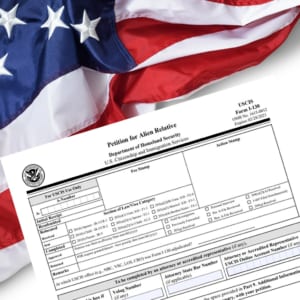
Filing a family based immigrant petition for a foreign spouse is one of the most commonly applied for U.S. immigration benefits. The Form I-130, Petition for Alien Relative (“Form I-130”), filed with the United States Citizenship and Immigration Services (“USCIS”) is used by U.S. citizens and lawful permanent residents (“Green Card Holders”) to establish a qualifying relationship with their spouse. One of the most common reasons for delays, Requests for Evidence (“RFE”), or denials is incomplete or improperly prepared supporting documentation. This guide provides clear and practical recommendations concerning Form I-130 documents helping couples understand what USCIS expects and how to prepare a strong filing. Understanding a Form I-130 for a Foreign Spouse The Form I-130 is not a visa application. It is a USCIS petition to prove that a valid marital relationship exists between the U.S. citizen or Green Card Holder and the foreign spouse. Once approved, the foreign
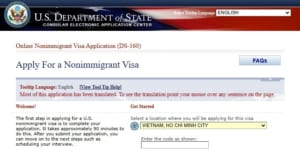
The Importance of the DS-160 Online Application cannot be overstated for anyone applying for a U.S. nonimmigrant visa. Whether you are applying for a B-1/B-2 visitor visa; an F, M, or J student visa; or any temporary visa to the United States, the DS-160 is the foundation of your application and a major step in the U.S. visa process. This article explains why the DS-160 is essential, what information it collects, and how mistakes on this form can impact your visa application outcome. When applying for a U.S. nonimmigrant visa, the DS-160 is the official Online Nonimmigrant Visa Application form required by the U.S. Department of State. Consular officers use this form as the primary source of information to evaluate your eligibility and intent to travel to the United States. Because the DS-160 carries authoritative relevance in every nonimmigrant visa application, providing accurate and truthful information is crucial for your

A number of key terms are defined EB-5 Reform and Integrity Act of 2022 (“RIA”). Herein we explain the terms “Affiliated Job-Creating Entity,” “Job-Creating Entity,” and “New Commercial Enterprise.” Understanding these definitions is essential for both investors and businesses involved in the EB-5 program. 1. New Commercial Enterprise A New Commercial Enterprise refers to a for-profit organization formed in the U.S. for the purpose of conducting lawful business activities and is receiving investment capital from foreign investors to participate in the EB-5 Program. This could include a wide variety of business structures, such as sole proprietorships, partnerships, registered companies, and others. The New Commercial Enterprise may be publicly or privately owned and receives capital investments from foreign investors. 2. Job-Creating Entity A Job-Creating Entity is any organization that is formed in the United States to conduct lawful business activities, regardless of the legal structure, similar to a New Commercial Enterprise.