Enterline & Partners Consulting | info@enterlinepartners.com

Qualifying for I-130 Expedited Processing Based on Exceptional Circumstances for U.S. Citizens Living Abroad

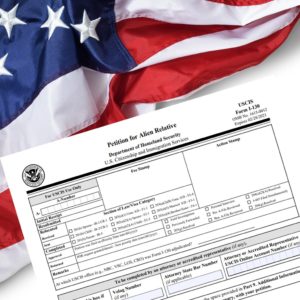
In exceptional circumstances, a U.S. citizen who is living abroad with his or her foreign spouse and would like to bring his or her foreign spouse to the United States on an immigrant visa may be able to avail of I-130 expedited processing.

Exceptional circumstances may include the following:

Military emergencies. A U.S. service member abroad becomes aware of his or her new deployment or transfer with very little notice.
  • Medical emergencies. The U.S. citizen or foreign spouse is faced with an urgent medical emergency that requires immediate travel.
  • Threats to personal safety. The U.S. citizen or foreign spouse is faced with an imminent threat to his or her personal safety.
  • Short-term notice of position relocation. The U.S. citizen spouse who has been living and working abroad receives a job offer to be transferred back to the United States.

While this is not an exhaustive list of examples, a request for exceptional circumstances must first be made with the U.S. Citizenship and Immigration Services (USCIS) district office or the U.S. Consulate where the U.S. and foreign spouse reside. The USCIS district office that has jurisdiction over the place of residence will in turn approve or refuse the request. If the district office approves the request and subsequent petition, the matter will forward it to the nearest U.S. Embassy or Consulate for the visa application process. If the request is refused, there is no right of appeal or reconsideration request but the U.S. citizen spouse can still file the immigrant petition with the USCIS in the United States.

By qualifying for the I-130 expedited processing, we can reduce your waiting time to immigrate from approximately 12 to 18 months down to as little as 5-6 weeks. We have processed many such expedited petitions so contact us if you are interested at info@enterlinepartners.com and speak with one of our experienced U.S. immigration attorneys.


ENTERLINE & PARTNERS CONSULTING
Ad: 3F, IBC building, 1A Cong Truong Me Linh Str, District 1, HCMC.
Tel: 0933 301 488

CATEGORY
time
recent posts
CTA_Collection

contact us today for more information

Latest News

bona fide

How to Prove a Bona Fide Marriage for a U.S. Spousal Visa

Applying for a U.S. visa based on marriage, commonly known as a Spousal visa, requires more than showing that you are legally married. The U.S. government must also be satisfied that you entered into the marriage in good faith and not primarily to obtain an immigration benefit. For couples living in different countries, proving the relationship can require careful documentation. You may not have a joint lease, shared utility bills or other records that couples living together commonly have. Instead, your evidence may need to show how the relationship developed, stayed connected and how your lives have become intertwined despite the distance. Understanding what counts as bona fide marriage evidence for a U.S. Spousal Visa can help you prepare a stronger case and reduce the risk of questions later in the process. If you have questions about the evidence needed for your U.S. Spousal visa case, our U.S. immigration attorneys

Read more >
NVC

What is the NVC and What Happens After USCIS Approval? (2026 Guide)

Having an immigrant petition approved by the United States Citizenship and Immigration Services (“USCIS”) is an important milestone, but for many applicants living outside the United States, it is not the end of the immigration process. Following USCIS approval, the case moves to the National Visa Center (“NVC”) which is under the Department of State (“DOS”). The NVC processing involves creating a case number, paying visa application fees, collecting and submitting documentation and waiting for the case to be transferred to a U.S. Embassy or Consulate. At Enterline and Partners, our U.S. immigration attorneys represent clients in Asia through the different stages of the immigration process, including family-based immigration cases, K-1 fiancé(e) visa cases, and EB-5 immigrant investor cases. In this guide, we will walk you through what happens after USCIS approval, what to expect from NVC processing and how to prepare for the consular processing stage of your case.

Read more >

Effect of EB-5 Regional Center Business Plan Approval and Amendment Procedures

Under the EB-5 Regional Center Program, once a business plan and investment offering have been approved, the approval not only affects the Regional Center itself but is also to the subsequent Form I-526E Petitions (“Petitions”) filed by EB-5 investors participating in the same offering. The RIA addresses the binding effect of such approvals, the circumstances in which an approval may no longer be binding, and the procedures for amendments when changes are made to an approved investment offering. Approval of a Business Plan Is Generally Binding Under the applicable provisions, once an application involving an investment in a Regional Center’s New Commercial Enterprise’s (“NCE”) Form I-956F has been approved, that approval is generally binding for purposes of adjudicating subsequent related Petitions. This binding effect of the Form I-956F also extends to the I-829 Petition by Investor to Remove Conditions on Permanent Resident Status (“I-829 Petitions”) filed by the same investors

Read more >
Zalo
Phone
WhatsApp
Messenger
Messenger
WhatsApp
Phone
Zalo