LATEST UPDATE (January 2026): President Trump Suspends the Diversity Visa (Green Card Lottery) Program
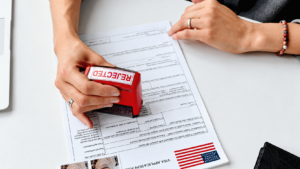
According to the latest reports from U.S. government sources and media outlets, President Donald Trump has issued an order to suspend the Diversity Visa (DV) Program. This decision was made citing serious national security concerns following a recent shooting incident involving an immigrant suspect (as reported by NBC News).
The legal situation is evolving rapidly. If you are a Diversity Visa selectee currently in the application process, please contact Enterline & Partners immediately. We are available to provide the most appropriate legal guidance and strategies regarding your case in light of this new order.
—
The U.S. Diversity Visa (DV) Lottery is real!
Also known as the Green Card Lottery, the DV Lottery is a program administered by the U.S. Department of State that provides an opportunity for people from countries with low rates of immigration to the United States to obtain a U.S. permanent resident visa and lawful permanent residence to the U.S., often referred to as a Green Card. The program aims to promote diversity in the immigrant population by granting visas to individuals from countries that are underrepresented in the U.S. immigration system.
How does the Diversity Visa Lottery work and who is eligible?
1.Eligible Countries: The DV Lottery is open to individuals from countries that have historically low rates of immigration to the United States. Each year, the U.S. government publishes a list of eligible countries. Nationals from countries that have sent a significant number of immigrants to the U.S. in the previous five years are usually not eligible. This list can change from year to year.
Countries whose nationals are ineligible this year are: Bangladesh, Brazil, Canada, The People’s Republic of China (including mainland and Hong Kong born), Colombia, Dominican Republic, El Salvador, Haiti, Honduras, India, Jamaica, Mexico, Nigeria, Pakistan, Philippines, Republic of Korea (South Korea), Venezuela, and Vietnam.
Nationals of the United Kingdom are newly eligible this year. In Asia, some notable countries that are eligible are: Cambodia, Indonesia, Laos, Singapore, Thailand, and natives of Macau SAR and Taiwan.
2. Application Period: The DV Lottery typically opens for a limited period of time, usually in the fall, and applicants must submit their entries electronically through the official DV Lottery website during this period. This year the DV Lottery application period runs from Wednesday, October 4, 2023 through Tuesday, November 7, 2023.
3. Entry Requirements: To be eligible to participate in the Diversity Visa Lottery, applicants must meet certain requirements, including:
-
- Country of Chargeability: The applicant must be born in an eligible country or have a spouse born in an eligible country.
- Education or Work Experience: Applicants must have either a high school education or its equivalent (such as a GED) or two years of work experience in an occupation that requires at least two years of training or experience.
4. Random Selection: After the application period closes, the U.S. government conducts a random computer-generated lottery to select a limited number of applicants for further processing. Winning the lottery does not guarantee a visa; it only provides the opportunity to apply for a visa.
5. Visa Application Process: If selected, winners of the DV Lottery must go through a formal visa application process, which includes submitting additional documentation, attending an interview at a U.S. embassy or consulate, and meeting all other visa eligibility requirements
6. Family Members: Spouses and unmarried children under the age of 21 of the primary applicant can also apply for visas if the primary applicant wins the lottery.
The Diversity Visa Lottery is competitive with many applying for the chance to win, and the number of visas available each year is limited. Additionally, there are eligibility requirements, and fraudulent applications can result in disqualification.
If you are interested in participating in the DV Lottery, it’s essential to carefully follow the instructions provided by the U.S. Department of State during the application period and verify your eligibility based on the specific requirements for the year you apply.
We can help you register for the DV Lottery, and if you are selected, we can assist you in the visa application process. Contact us at info@enterlinepartners.com and speak with a U.S. immigration attorney in Ho Chi Minh City, Manila and Taipei.
ENTERLINE & PARTNERS CONSULTING
Ho Chi Minh City, Vietnam Office
146C7 Nguyen Van Huong St, Thao Dien Ward,
District 2, Thu Duc City
Ho Chi Minh City, Vietnam
Tel: +84 933 301 488
Email: info@enterlinepartners.com
Facebook: Enterline & Partners – Dịch vụ Thị thực và Định cư Hoa Kỳ
YouTube: @EnterlineAndPartnersConsulting
Website: https://enterlinepartners.com/
Manila, Philippines Office
Tel: +63 917 543 7926
Email: info@enterlinepartners.com
Facebook: Enterline and Partners Philippines
Website: https://enterlinepartners.com/en/home/
Copyright 2023. This article is for information purposes only and does not constitute legal advice. This article may be changed with or without notice. The opinions expressed in this article are those of Enterline and Partners only.