MANILA – Filipinos planning to travel or immigrate to the United States have nothing to worry about despite US President-elect Donald Trump’s promises to deport illegal immigrants, a lawyer said on Monday.


MANILA – Filipinos planning to travel or immigrate to the United States have nothing to worry about despite US President-elect Donald Trump’s promises to deport illegal immigrants, a lawyer said on Monday.
For many American and Vietnamese couples looking to immigrate to the United States, a major question is whether they should apply for a K-1 fiancé(é) visa or a CR-1 spousal visa. While both lead to lawful permanent residence status (“Green Card”), they work very differently. A K-1 fiancé(e) visa allows

On May 7, 2026, the United States Department of State (“DOS”) announced that it will begin revoking U.S. passports for certain individuals with outstanding child support arrears. Under existing federal regulations (22 CFR §51.62) and DOS policy guidance (7 FAM 1754), DOS may deny or revoke a U.S. passport when

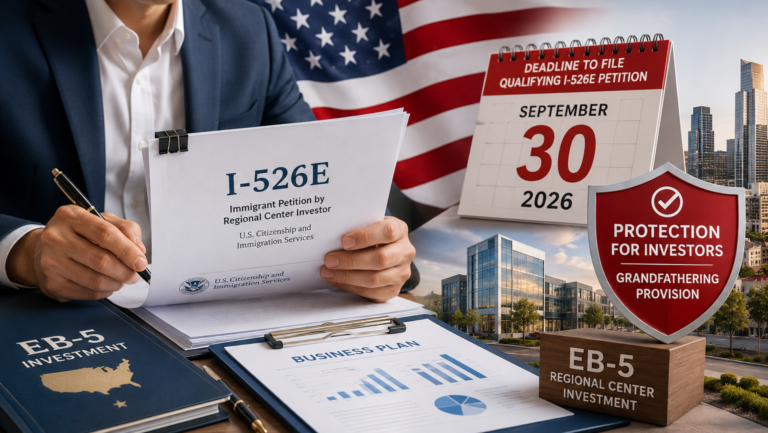
The EB-5 Reform and Integrity Act of 2022 (“RIA”) introduced several important changes to the EB-5 Regional Center Program. One of the most important protections for investors is commonly referred to as the “grandfathering” provision found in Section 108 of the RIA, titled “Protection from Expired Legislation.” Since its creation

Enterline and Partners Managing Attorney David Enterline was recently honored as the recipient of the “APAC Shout Out Award” for 2026. The APAC is the Asia Pacific Chapter of the American Immigration Lawyers Association (“AILA”). APAC members are AILA members who have a part of their law practice in Asia

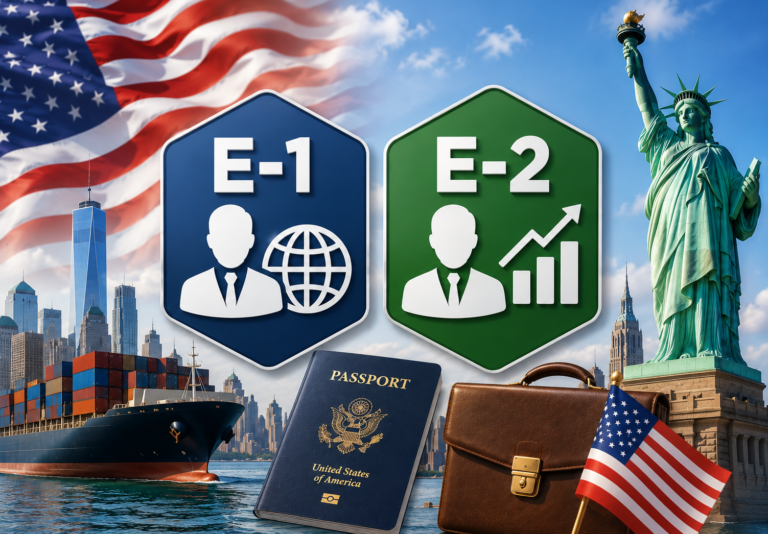
The E-1 Treaty Trader and E-2 Treaty Investor visas are nonimmigrant visa categories that allow nationals of certain treaty countries to enter the United States to engage in substantial international trade or to develop and direct an investment enterprise. These visas are popular options for entrepreneurs, investors, and business owners

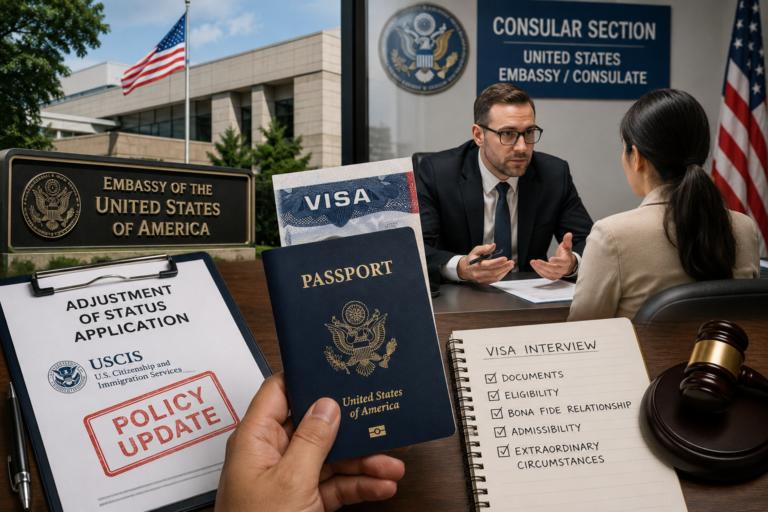
On May 22, 2026, the United States Citizenship and Immigration Services (“USCIS”) announced a shift in policy in which the agency will approve Adjustment of Status (“AOS”) applicants for adjustment only in extraordinary circumstances. The policy, which USCIS says is consistent with long-standing immigration law and court decisions, will place
Copyright 2018 – 2025 Enterline and Partners Consulting | All Rights Reserved