



Having an immigrant petition approved by the United States Citizenship and Immigration Services (“USCIS”) is an important milestone, but for many applicants living outside the United States, it is not the end of the immigration process. Following USCIS approval, the case moves to the National Visa Center (“NVC”) which is under the Department of State (“DOS”). The NVC processing involves creating a case number, paying visa application fees, collecting and submitting documentation and waiting for the case to be transferred to a U.S. Embassy or Consulate. At Enterline and Partners, our U.S. immigration attorneys represent clients in Asia through the different stages of the immigration process, including family-based immigration cases, K-1 fiancé(e) visa cases, and EB-5 immigrant investor cases. In this guide, we will walk you through what happens after USCIS approval, what to expect from NVC processing and how to prepare for the consular processing stage of your case.

Completing your immigrant or K-1 fiancé(e) visa interview at the U.S. Consulate General in Ho Chi Minh City is an important step in the immigration process. However, you may still need to complete additional steps before you can travel to the United States. Some visa applicants leave the interview knowing that the consular officer intends to approve their visa while others receive instructions to submit more documents or learn that their case requires additional review. Understanding what happens after your U.S. visa interview can help you follow the correct instructions, avoid unnecessary delays and prepare for your arrival. If you have questions about what happens next in your case, contact Enterline and Partners for guidance today. What Does “Approved” Mean After a U.S. Visa Interview? If the consular officer tells you that your visa is approved, this generally means the officer has found you eligible based on the information available
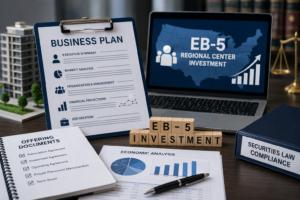
Before an EB-5 immigrant investor files a Form I-526E Petition for classification based on an investment in a Regional Center sponsors investment, the Regional Center must first file an application with the Secretary of Homeland Security (Form I-956F) for each particular investment offering in an associated New Commercial Enterprise (“NCE”). The Form I-956F application must provide comprehensive information regarding the proposed investment, its projected job creation, offering documents, potential risks, and compliance with applicable securities laws. Business Plan and Economic Analysis The Form I-956F application must include a comprehensive business plan for a specific capital investment project. In addition, the Regional Center must provide a credible economic analysis regarding estimated job creation, based on methodologies that are economically and statistically valid and transparent. The Form I-956F application must also include any documents that are required by law to be filed with the Securities and Exchange Commission (“SEC”) under the Securities