The Importance of the DS-160 Online Application cannot be overstated for anyone applying for a U.S. nonimmigrant visa. Whether you are applying for a B-1/B-2 visitor visa; an F, M, or J student visa; or any temporary visa to the United States, the DS-160 is the foundation of your application and a major step in the U.S. visa process. This article explains why the DS-160 is essential, what information it collects, and how mistakes on this form can impact your visa application outcome.
When applying for a U.S. nonimmigrant visa, the DS-160 is the official Online Nonimmigrant Visa Application form required by the U.S. Department of State. Consular officers use this form as the primary source of information to evaluate your eligibility and intent to travel to the United States. Because the DS-160 carries authoritative relevance in every nonimmigrant visa application, providing accurate and truthful information is crucial for your application to be accepted and move forward to interview scheduling.
What Information Does the DS-160 Online Application Collect?
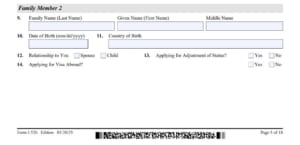
The DS-160 collects key personal, travel, work and background information that the consular officer will review before your visa interview. This includes personal identity information, employment history, travel plans, family details, and answers to security and background questions. All of this data helps the U.S. Embassy or Consulate determine if you meet the criteria for nonimmigrant visa issuance.
Accuracy on the DS-160 is essential because any misrepresentation or inconsistent information can lead to refusal under U.S. immigration law.
The interviewing consular officer may also refuse your visa if he/she determines that you did not demonstrate strong ties to your home country or if your responses raise doubts about your travel intentions.
Why is the DS-160 An Important Part of Your Visa Application?
For most nonimmigrant visa categories, including the popular B-1/B-2 visitor visa (aka tourist visa), the DS-160 is the only document that U.S. consular officers are required to review to determine your eligibility for a visa. The form not only introduces you to the visa process but also sets the tone for your entire application. Errors or omissions on the DS-160 are among the most common reasons for visa delays and refusals.
One critical example of how the DS-160 impacts visa decision making is in cases of prior refusals under Section 214(b) of the Immigration and Nationality Act. If an applicant was previously refused a U.S. visa, the new DS-160 provides space for the applicant to explain the circumstances for that refusal and give additional details to demonstrate why they are reapplying. This explanation can be vital in overcoming past visa refusal decisions during subsequent attempts.
Another reason the DS-160 is important is because it acts as a legally binding declaration. By signing and submitting the DS-160, the applicant certifies that all information is true and correct under penalty of perjury. Any material misrepresentation may not only result in a visa refusal but could also make you ineligible for future U.S. visas.
How Does DS-160 Affect Interview Scheduling and Visa Processing?
Once you submit the DS-160 online, you will receive a barcode confirmation page. This barcode is required to schedule your interview appointment. Without this confirmation, you cannot move forward in the visa process at a U.S. Embassy or Consulate.
Failing to provide the DS-160 confirmation page at your appointment can result in delays or rescheduling. Many applicants do not realize that even small errors on the DS-160, such as an incorrect passport number, may require a new application to be started to correct the information because the DS-160 cannot be edited after submission.
This is one of the reasons we recommend that visa applicants prepare carefully before starting the DS-160. Having all relevant documents and information at hand will help ensure you complete the form correctly in one session and avoid mistakes that could impact your travel plans.
Tips for Completing the DS-160 Successfully
- Prepare Your Documents Beforehand
Make sure your passport, employment history, and personal background information are ready before you begin. Having these details at hand helps you complete the form accurately and efficiently.
- Answer Every Question Truthfully and Completely
Incomplete or inaccurate responses can lead to visa refusals. You must tell the truth on your application.
- Use Reliable Guidance When Necessary
If you are unsure how to answer certain questions or how specific information will be interpreted, consult an experienced immigration lawyer.
- Save Your Progress Frequently
The DS-160 form portal saves progress if you use the application ID that is generated when you start. Still, it is notoriously glitchy and can crash. It is best to save regularly and avoid session timeouts. If the form is inactive for too long it may expire.
Common Mistakes to Avoid on the DS-160
- Incorrect personal details such as date of birth or passport number;
- Failing to disclose prior visa refusals or previous travel history;
- Typos in employment or address information;
- Not saving the confirmation page or printed barcode.
Each of these common mistakes can delay processing, cause the consular officer to question your intentions, and result in a refusal.
For more information, contact us at info@enterlinepartners.com.
ENTERLINE & PARTNERS CONSULTING
Ho Chi Minh City, Vietnam Office
146C7 Nguyen Van Huong St, An Khanh Ward,
Ho Chi Minh City, Vietnam
Tel: +84 933 301 488
Email: info@enterlinepartners.com
Facebook: Enterline & Partners – Dịch vụ Thị thực và Định cư Hoa Kỳ
YouTube: @EnterlineAndPartnersConsulting
Website: https://enterlinepartners.com
Manila, Philippines Office
LKG Tower 37th Floor
6801 Ayala Avenue
Makati City, Philippines 1226
Tel: +63 917 543 7926
Email: info@enterlinepartners.com
Facebook: Enterline and Partners Philippines
Website: https://enterlinepartners.com/en/home/
Copyright 2026. This article is for information purposes only and does not constitute legal advice. This article may be changed with or without notice. The opinions expressed in this article are those of Enterline and Partners only.