Enterline and Partners Consulting | info@enterlinepartners.com

News & Resources

EB-5 Reform and Integrity Act of 2022

The EB-5 Reform and Integrity Act of 2022 (“Act”) was passed by Congress and signed by President Biden on March 15, 2022.  Most of the provisions of the Act will become effective 60 days from enactment, which will be the middle of May 2022.  The Act includes many changes to

What is the Doctrine of Consular Nonreviewability?

The doctrine of consular nonreviewability refers to visa decisions decided by consular officers at U.S. Embassies and Consulates cannot be appealed to courts within the United States. The doctrine applies very broadly to decisions made by consular officers whether they apply to foreign nationals who have been refused an immigrant

No Changes to EB-5 Category in the March 2022 Visa Bulletin

The Department of State (“DOS”) March 2022 visa bulletin continues to show EB-5 regional center visa categories (I5 and R5) unavailable (U) because the EB-5 regional center program remains expired. Read more: the regional center program (“Program”) having lapsed on June 30, 2021. Visas in non-regional center visa categories (C5

What is a K-3 Visa and How is it Different from a CR-1/ IR-1 Visa?

Quick Comparison: K-3 vs CR-1/IR-1 K-3 Visa CR-1/IR-1 Visa Visa type Nonimmigrant Immigrant Who qualifies Spouse of a U.S. citizen Spouse of a U.S. citizen (IR-1) or LPR (CR-1) Primary forms I-130 + I-129F I-130 Status upon entry Nonimmigrant; must file AOS after arriving Immigrant immediately; becomes LPR at port

Establishment Of An EB-5 Regional Center

The EB-5 Reform and Integrity Act of 2022 (“RIA”) introduced significant changes to the EB-5 Immigrant Investor Program, including changes to the establishment and oversight of Regional Centers. A Regional Center’s establishment represents a strategic effort to stimulate economic growth by drawing in foreign investment and generating employment opportunities within

Step-by-Step Guide to the K-1 Fiance(é) Visa Process

Applying for a K-1 fiancé(e) visa involves multiple government agencies, including United States Citizenship and Immigration Services (“USCIS”), the National Visa Center (“NVC”), and the appropriate U.S. Embassy or Consulate. As a result, the process requires careful coordination at each stage. If you are researching how to apply for a

F4 Visa Bulletin Update: Waiting Time for Family-Based Sibling Immigration

The U.S. immigration system provides a specific pathway for U.S. citizens to sponsor their siblings for lawful permanent residency (“Green Card.”) The Family-Based Fourth Preference (F4) category is dedicated to the brothers and sisters of adult U.S. citizens ages twenty-one (21) and above. While this is a popular route for

Visa K-1
K-1 Visa Applicants Subjected to Social Media Vetting

Effective March 30, 2026, all K-1 fiancé(e) visa applicants will be subjected to the Department of State (“DOS”) online vetting process. As part of the interview process at the Embassy or Consulate, those applying for a K-1 visa will be required to adjust their social media settings to “public” or

Vietnamese Names Listed in a Different Order on U.S. Visas and Green Cards

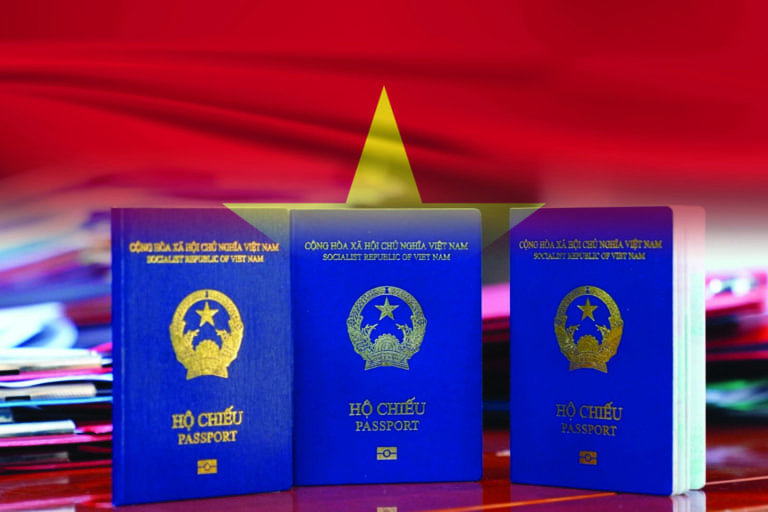
United States government posts have frequently listed Vietnamese citizens’ names on government documents in a different order such as on visas and Form I-551 (“Green Cards”.) This often happens because Vietnamese passports list names in the order of last name (or “family name” or “surname”) followed by the middle name

CATEGORY
recent posts
CTA_Collection
Zalo
Phone
WhatsApp
Messenger
Messenger
WhatsApp
Phone
Zalo